

New Zealand’s egg industry is facing a fast-moving labelling challenge.
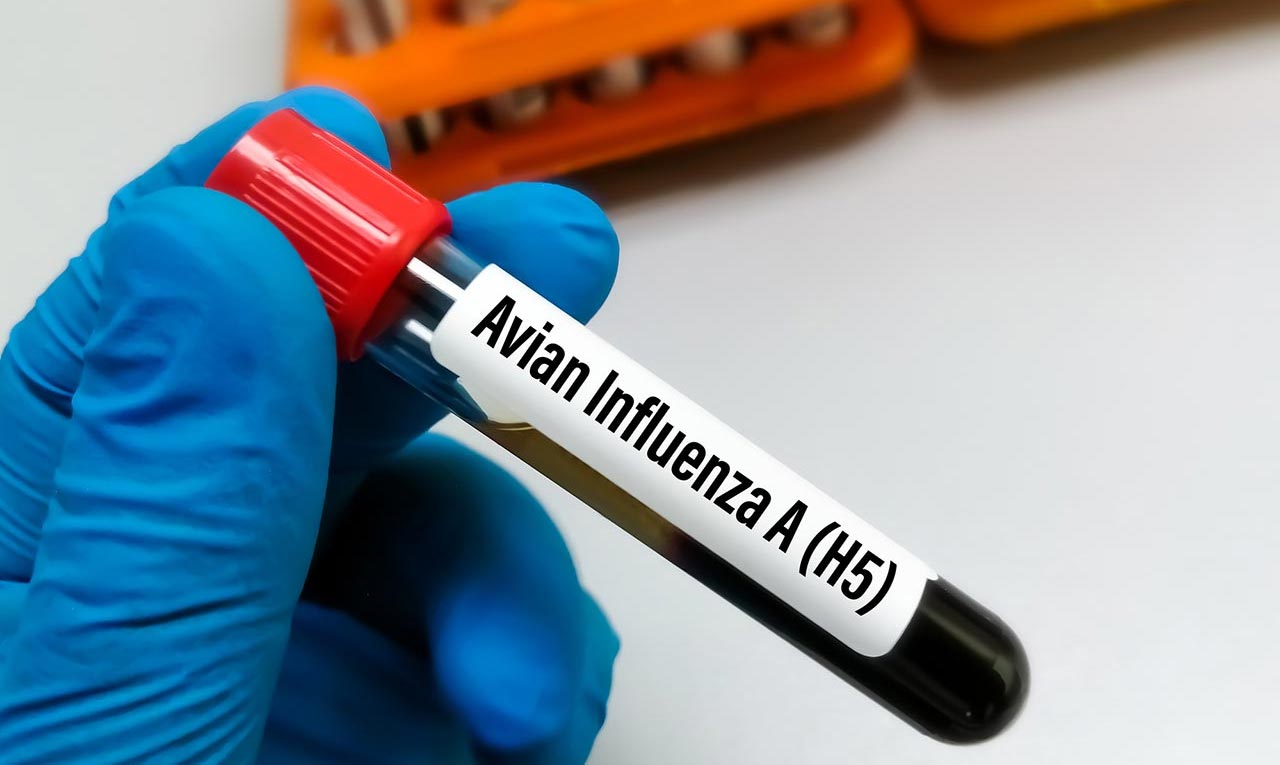
On 15 July 2026, New Zealand confirmed its first detection of H5 bird flu. At the time of writing, there have been no detections in commercial poultry, and MPI says chicken and eggs remain safe to eat. However, the detection has placed renewed attention on the steps egg producers may need to take to protect their flocks and maintain consumer confidence.
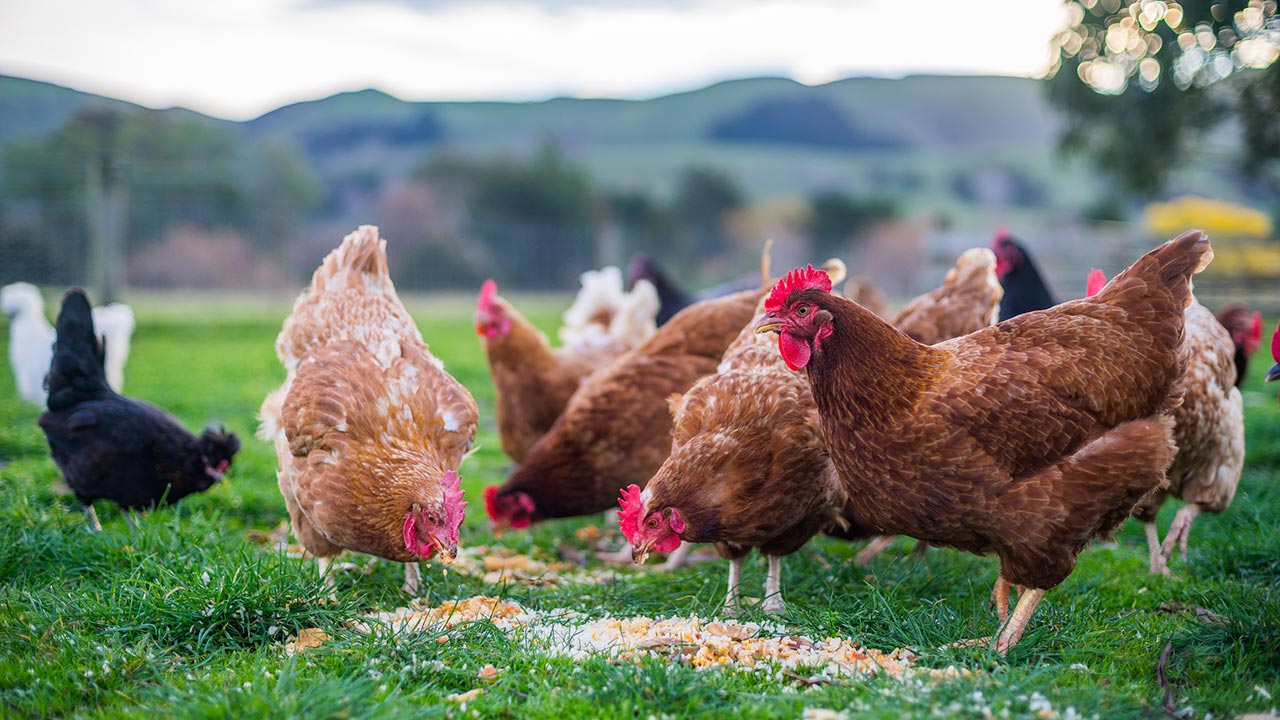
This is not the first time avian influenza has directly affected the local egg sector. In December 2024, a different strain, H7N6, was detected at a commercial free-range egg farm in Otago. MPI’s investigation found that interaction between free-range chickens and wild birds was the likely source.
For free-range producers, one practical question now sits alongside the biosecurity response:
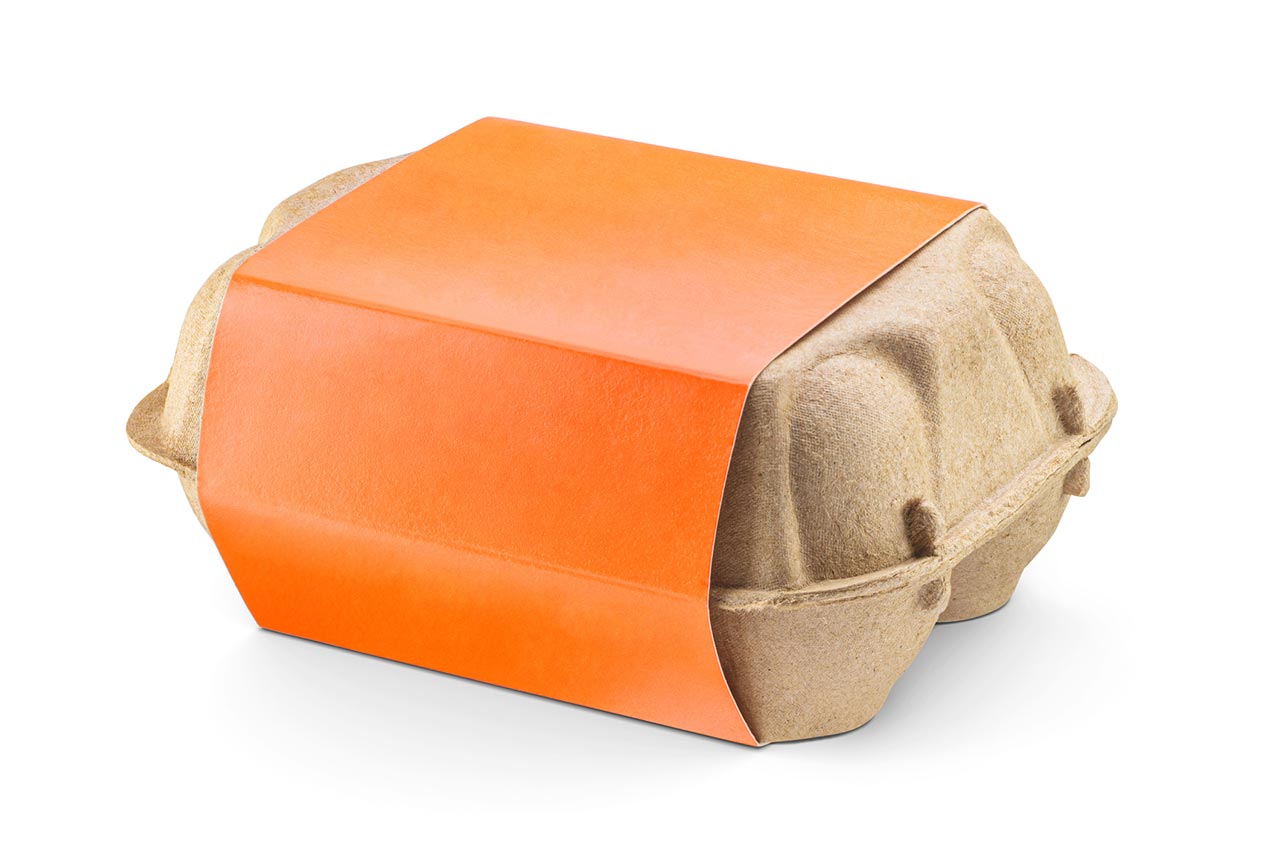
In New Zealand, claims such as “free range” are subject to the Fair Trading Act 1986. Producers must ensure that the claims made on cartons and other packaging are accurate and do not mislead consumers.
Commerce Commission guidance recognises that an avian influenza outbreak may lead the Government to advise or order free-range producers to keep birds indoors. Producers close to an affected area may also decide to house birds voluntarily as a precaution.
That can create a genuine packaging problem.
Egg cartons may already have “free range” printed prominently on the front, side panels or closing flap. Packaging stock may have been ordered months in advance, and replacing it immediately may be costly or impractical. At the same time, continuing to use an unqualified free-range claim while birds are housed could create a risk of misleading consumers.
The appropriate response will depend on the circumstances, the length and reason for housing, the wording already printed on the carton, and the latest advice from MPI and the Commerce Commission. Producers should obtain suitable regulatory or legal guidance before deciding how claims need to be presented.
From an operational perspective, however, many businesses may need a way to place additional information over or alongside existing carton artwork quickly and consistently.
There is unlikely to be one answer for every egg producer.
Some operations may need to apply a simple pre-printed label over an existing free-range statement. Others may need to print explanatory wording, batch information or changing production details at the time of packing. The right technology will depend on carton size, line speed, available space and how frequently the message is expected to change.
For a clearly defined and consistent message, an automatic label applicator may be the most straightforward approach.
These systems apply pre-printed pressure-sensitive labels directly to the carton without printing at the point of application. They can be installed in line and triggered as each pack passes the application point. Reynolds’ label applicator range is designed for consistent placement on products, cartons and trays while reducing manual handling.
This approach may suit producers applying the same temporary label across large volumes of six-pack or 12-pack cartons. Compact equipment can be particularly valuable where space around graders, conveyors and cartoning equipment is limited.
The label itself still needs careful consideration. Its size, colour, wording and placement must make the updated information clear without covering mandatory information such as date marks, supplier details, nutrition information or barcodes.

Where the wording or information may change, a print-and-apply system offers greater flexibility.
Print-and-apply technology prints the label and places it onto the carton in one automated process. It can be used for variable details such as dates, batch codes, barcodes, product descriptions or compliance information. Reynolds supplies compact NOVEXX and Evolabel systems for primary packs, cartons and logistics applications.
This option may be appropriate where producers want to change the message by flock, site, product run or retailer. It also creates a pathway to broader traceability and carton-identification applications after the immediate requirement has passed.
However, the added capability may not be necessary for every line. Where the message is fixed and the requirement is expected to be temporary, a pre-printed label applicator may offer a simpler response.

For smaller producers, low-volume products or short-term requirements, fully automated installation on every line may not be the most practical first step.
A semi-automatic or offline process could allow cartons to be labelled in batches before entering the packing line or before dispatch. This may reduce the initial investment and provide flexibility while the industry situation develops.
The trade-off is additional product handling and labour. It is important to assess whether an offline step can keep pace with production without creating carton damage, inconsistent placement or a new bottleneck.
The challenge may extend beyond the retail egg carton.
Inner packs, outer cartons and logistics cases may also need updated identification, particularly where different carton types, production methods or destinations are handled within the same facility.
Carton print-and-apply systems can place labels on the front, side or adjacent faces of boxes, while logistics labellers can handle cartons of varying dimensions. These technologies may be useful where the information needs to remain visible through warehousing and distribution, rather than only at the retail-pack level.
The first priority is understanding exactly where the existing free-range claim appears on each pack format.
A six-pack carton may provide very little clear space once the brand, nutrition information, date code and barcode are taken into account. A 12-pack carton may provide more room, but the label still needs to remain secure as the carton is handled, stacked and transported.
Producers should also assess:
The objective should not simply be to place a sticker on a carton. It should be to introduce a controlled process that keeps the label clear, accurate and consistent without disrupting output.
The pressure to respond quickly is understandable, but equipment selected for an urgent requirement should still have value once the immediate situation changes.
A compact label applicator used initially for a temporary production-method statement may later support promotional labels, retailer messages or other pre-printed information.
A print-and-apply system could later be used for batch identification, traceability data, barcode labels or product changeovers. Reynolds’ wider labelling range covers primary products, cartons, trays and pallets, allowing the solution to be considered across the full packing and distribution process.
That does not mean every producer needs the most advanced system. It means the decision should balance the immediate requirement with the likelihood of future use.
The requirements surrounding avian influenza and free-range claims may continue to evolve. Producers should continue to follow current guidance from MPI, the Commerce Commission and their industry bodies.
The equipment decision can be made more practical.
RGL can review the affected six-pack and 12-pack cartons, label position, production speed and available line space, then assess whether a pre-printed label applicator, print-and-apply system, semi-automatic process or outer-carton solution is the most appropriate fit.
The priority is to respond quickly without introducing unnecessary complexity, and to give producers confidence that the right information is being applied to the right pack every time.
Talk to RGL about a practical assessment of your pack formats, production lines and short-term labelling requirements.